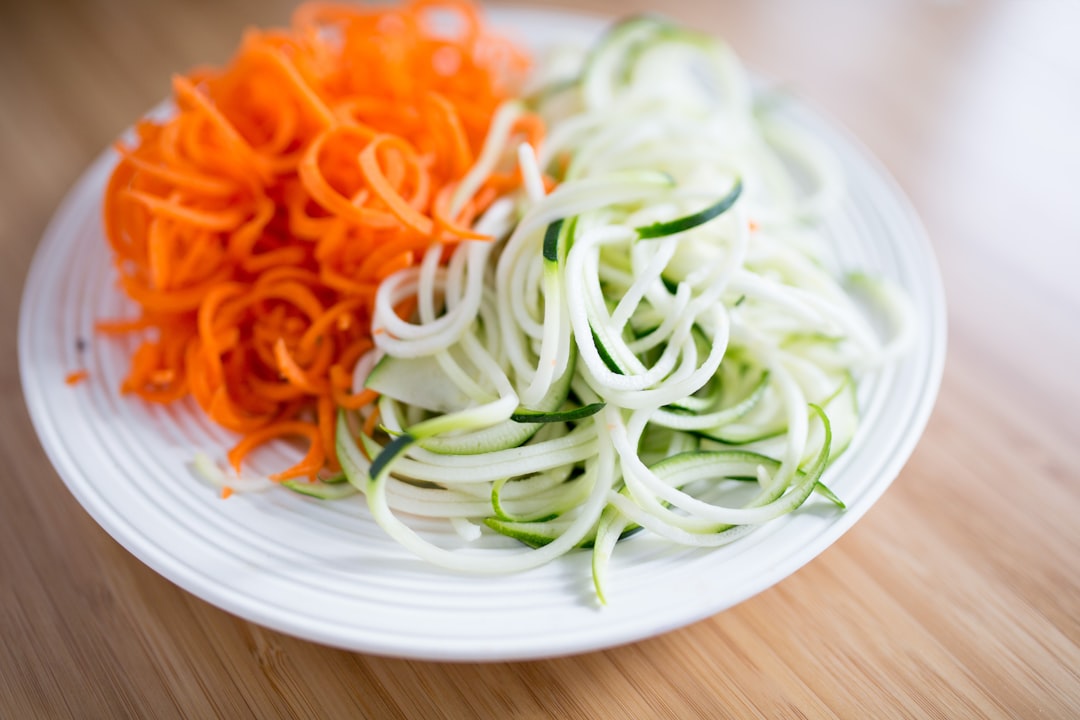
Plant-based eating has moved from niche dietary choice to mainstream lifestyle, and for good reason. Whether you're considering going fully plant-based or simply want to incorporate more plant foods into your diet, understanding the fundamentals of plant-based nutrition is essential for thriving on this eating pattern.
Understanding Plant-Based Nutrition
A plant-based diet centers on foods derived from plants, including vegetables, fruits, whole grains, legumes, nuts, and seeds. While some people following this pattern avoid all animal products, others may include small amounts of dairy, eggs, or fish. The key is making plants the star of your plate.
The benefits of plant-based eating extend far beyond personal health. This dietary pattern has a significantly lower environmental footprint compared to diets heavy in animal products. It requires less water, land, and energy while producing fewer greenhouse gas emissions. Many people also choose plant-based eating for ethical reasons related to animal welfare.
Essential Nutrients to Monitor
While plant-based diets can provide all necessary nutrients, certain vitamins and minerals require special attention to ensure adequate intake. Protein is often the first concern people raise, but it's actually quite easy to meet protein needs through plant sources. Legumes like lentils, chickpeas, and black beans are protein powerhouses. Quinoa, tofu, tempeh, and seitan offer complete proteins.
Vitamin B12 deserves careful consideration as it's primarily found in animal products. Anyone following a strict plant-based diet should take a B12 supplement or consume B12-fortified foods like nutritional yeast, plant milks, and breakfast cereals. This vitamin is crucial for nerve function and red blood cell formation.
Iron from plant sources is non-heme iron, which is less readily absorbed than heme iron from meat. However, you can enhance absorption significantly by consuming vitamin C-rich foods alongside iron-rich plant foods. Dark leafy greens, lentils, and fortified cereals provide excellent iron sources. Pairing them with tomatoes, citrus fruits, or bell peppers boosts absorption.
Omega-3 fatty acids, particularly EPA and DHA, are important for heart and brain health. While fish is a common source, plant-based options include ground flaxseeds, chia seeds, hemp seeds, and walnuts. These provide ALA omega-3s, which the body can convert to EPA and DHA, though less efficiently. Consider an algae-based omega-3 supplement if needed.
Building Balanced Plant-Based Meals
Creating satisfying, nutritionally complete plant-based meals becomes intuitive once you understand the basic components. Start with a base of whole grains or starchy vegetables like sweet potatoes or quinoa. These provide sustained energy and essential nutrients.
Add a generous serving of vegetables, aiming for variety in colors to maximize nutrient intake. Different colored vegetables provide different beneficial compounds. Include dark leafy greens for calcium and iron, orange vegetables for beta-carotene, and cruciferous vegetables like broccoli for cancer-fighting compounds.
Include a protein source at each meal. This might be beans, lentils, tofu, tempeh, or edamame. These foods also provide fiber, which is abundant in plant-based diets and crucial for digestive health, blood sugar control, and disease prevention. Healthy fats from nuts, seeds, avocados, or olive oil complete your meal and help absorb fat-soluble vitamins.
Practical Tips for Success
Transitioning to plant-based eating works best when approached gradually. Start by having one or two plant-based days per week, then slowly increase. This gives you time to discover new recipes and find plant-based versions of your favorite meals. Experiment with new ingredients and cooking methods to keep meals exciting.
Batch cooking and meal prep can make plant-based eating more convenient. Cook large batches of grains, beans, and roasted vegetables on weekends to mix and match throughout the week. Keep your pantry stocked with staples like canned beans, whole grains, nuts, seeds, and spices.
Don't feel pressured to buy expensive specialty products. While meat alternatives and fancy superfoods can be enjoyable, the foundation of a healthy plant-based diet consists of simple, affordable whole foods. Dried beans, rice, oats, seasonal vegetables, and fruits provide excellent nutrition at reasonable prices.
Addressing Common Concerns
Many people worry about getting enough protein on a plant-based diet, but this concern is often overblown. Most plant-based eaters easily meet protein requirements by including legumes, whole grains, nuts, and seeds throughout the day. The key is eating adequate calories and varying your protein sources.
Social situations can present challenges when following a plant-based diet. Communicate your dietary choices kindly and offer to bring a dish to share at gatherings. Most restaurants now offer plant-based options, and chefs are often willing to modify dishes upon request.
Some people experience digestive changes when increasing fiber intake. This is normal as your gut microbiome adjusts. Increase fiber gradually, drink plenty of water, and stay physically active. Your body will adapt, and you'll likely experience improved digestion over time.
Delicious Plant-Based Meal Ideas
Breakfast might include oatmeal topped with berries, nuts, and ground flaxseed, or a smoothie bowl with banana, spinach, protein powder, and granola. For lunch, try a Buddha bowl with quinoa, roasted chickpeas, mixed vegetables, avocado, and tahini dressing.
Dinner options are endless: lentil curry with brown rice, black bean tacos with all the fixings, mushroom and vegetable stir-fry with tofu, or pasta with marinara sauce and white beans. Snacks can include hummus with vegetables, apple slices with almond butter, or trail mix with dried fruit and nuts.
Long-Term Health Benefits
Research consistently shows that plant-based diets offer numerous health advantages. They're associated with lower risks of heart disease, high blood pressure, type 2 diabetes, and certain cancers. The high fiber content supports healthy digestion and may aid in weight management.
Plant-based eating patterns are naturally rich in antioxidants and anti-inflammatory compounds that support healthy aging and may reduce chronic disease risk. Many people report increased energy levels, improved digestion, clearer skin, and better overall wellbeing after adopting plant-based eating.
The key to thriving on a plant-based diet is variety, planning, and focusing on whole foods rather than processed alternatives. With proper attention to key nutrients and a diverse range of plant foods, you can enjoy optimal health while reaping the many benefits this eating pattern offers.