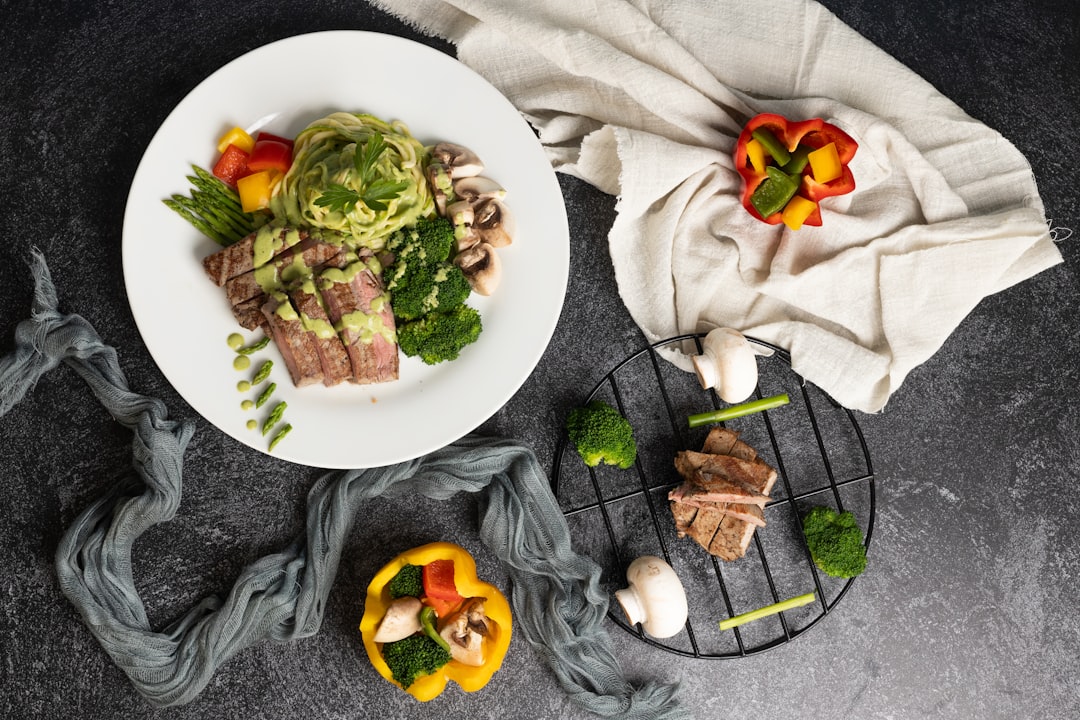
In our fast-paced modern lives, meal planning has become an essential skill for maintaining healthy eating habits while managing busy schedules. The practice of planning and preparing meals in advance can transform your relationship with food, reduce stress, save money, and ensure you consistently nourish your body with wholesome meals.
Why Meal Planning Matters
Without a plan, we're more likely to make impulsive food choices when hunger strikes. These decisions often lean toward convenient but less nutritious options like takeout or processed foods. Meal planning eliminates this decision fatigue by giving you a roadmap for the week ahead.
Beyond health benefits, meal planning saves considerable time and money. When you shop with a specific plan, you buy only what you need, reducing food waste and impulse purchases. Preparing components in advance means less time cooking each night, freeing up your evenings for other activities you enjoy.
Getting Started With Meal Planning
Begin by assessing your schedule for the upcoming week. Identify busy days when you'll need quick meals and days when you might have more time to cook. Consider any social commitments, dining out plans, or nights when leftovers can fill the gap. This realistic assessment prevents over-planning and food waste.
Start small if meal planning feels overwhelming. Plan just dinners for the first week, or even just three dinners. As you become comfortable with the process, gradually expand to include other meals. Many people find planning five dinners sufficient, leaving room for leftover nights or flexibility.
Keep a running list of meals your family enjoys and refer to this when planning. This eliminates the stress of constantly thinking of new ideas. Aim for variety throughout the week, balancing different proteins, cooking methods, and flavor profiles to prevent boredom.
Building Your Meal Plan
A well-balanced meal plan includes a variety of food groups throughout the week. Aim to incorporate different protein sources like fish, poultry, legumes, and plant-based options. Include colorful vegetables in abundance, choosing different types each week to maximize nutrient intake.
Plan meals that share ingredients to simplify shopping and reduce waste. If you buy a bunch of cilantro for tacos on Monday, plan a curry or stir-fry later in the week that also uses cilantro. This strategic overlap reduces the number of unique ingredients you need to purchase.
Consider batch cooking staples that can be used in multiple ways throughout the week. Cook a large batch of grains like quinoa or brown rice, roast several types of vegetables, and prepare protein sources that work in various dishes. These components become building blocks for quick meal assembly.
Smart Shopping Strategies
Once your meal plan is ready, create a detailed shopping list organized by store sections. This organization makes shopping more efficient and helps ensure you don't forget items. Check your pantry and refrigerator before shopping to avoid buying duplicates of items you already have.
Shopping the perimeter of the store typically leads to healthier choices, as that's where fresh produce, meats, and dairy are located. The center aisles contain more processed foods, though you'll still need some items from there like whole grains, canned beans, and healthy oils.
Consider shopping once weekly to save time, though a midweek trip for fresh produce might be necessary. Some people prefer ordering groceries online for delivery or pickup, which can save time and reduce impulse purchases since you're shopping from a list on your device.
Effective Meal Prep Techniques
Dedicate a few hours on a weekend day or your day off for meal prep. Start with tasks that take longest, like roasting vegetables or cooking grains. While those cook, you can prep other components like washing and chopping vegetables or marinating proteins.
Invest in quality storage containers in various sizes. Glass containers are excellent for reheating and seeing contents easily. Label containers with contents and dates to track freshness. Properly stored, most meal prep components last four to five days in the refrigerator.
Prep ingredients to different levels depending on your schedule and preferences. Some people prefer fully prepared meals they can simply reheat. Others prefer prepping ingredients that they quickly assemble and cook. Find what works for your lifestyle and cooking preferences.
Breakfast and Lunch Solutions
Breakfast meal prep can be particularly valuable for busy mornings. Overnight oats, egg muffins, or breakfast burritos that freeze well provide grab-and-go options. Prepare smoothie bags with pre-portioned fruits and vegetables that you blend with liquid each morning.
For lunches, grain bowls work wonderfully. Prep bases of quinoa, farro, or brown rice, then add different toppings throughout the week. Large batch soups and stews freeze beautifully in individual portions. Salads can be prepped with dressing separate to prevent wilting.
Making It Sustainable
Flexibility is key to sustainable meal planning. Life happens, and plans change. Don't stress if you need to adjust your meal plan midweek. Frozen vegetables and proteins can save the day when fresh ingredients aren't available or you're short on time.
Keep a well-stocked pantry with staples that can form the basis of quick meals: canned beans, tomatoes, whole grain pasta, rice, oats, and basic spices. These items mean you can always throw together a nutritious meal even when fresh ingredients run low.
Involve family members in the planning and preparation process. Children who help plan and prepare meals are often more willing to eat them. Partners can share prep responsibilities, making the process quicker and more enjoyable while spending time together.
Troubleshooting Common Challenges
If you find yourself frequently not following your meal plan, consider whether you're being too ambitious with complicated recipes. Simple meals with five or fewer ingredients can be just as nutritious and much more sustainable to prepare regularly.
Combat meal prep fatigue by not doing too much at once. If Sunday meal prep feels overwhelming, split tasks across Sunday and Wednesday. Or prepare just dinner components and handle breakfast and lunch items separately.
When meals become monotonous, introduce one new recipe each week alongside familiar favorites. This provides variety without the stress of cooking entirely new meals constantly. Build a collection of quick, reliable recipes you can rotate through.
Tools and Resources
While meal planning doesn't require special tools, some resources can help. Meal planning apps let you organize recipes, generate shopping lists, and track what's in your pantry. A simple notebook or digital document works equally well if you prefer a low-tech approach.
Quality kitchen tools make prep more efficient. Sharp knives, a good cutting board, and time-saving appliances like slow cookers or pressure cookers can significantly reduce active cooking time. Choose tools based on your actual cooking style and space constraints.
The ultimate goal of meal planning isn't perfection but consistency in nourishing yourself and your family with wholesome food while reducing stress around mealtimes. Start simple, find what works for your unique situation, and adjust as needed. With practice, meal planning becomes second nature, freeing up mental energy for other aspects of life while ensuring you always have healthy food available.